Making a pair last
How to wash tights so they last: the care label, the wash bag and the drawer
A pair of tights dies one of three ways: a snag, a wash or a drawer. The first is luck. The other two are habits, and the care label on the pack is the place to start, because federal rules decide what it has to tell you.
17 minute read · 1 sources, read 5 September 2026
Start with the pair
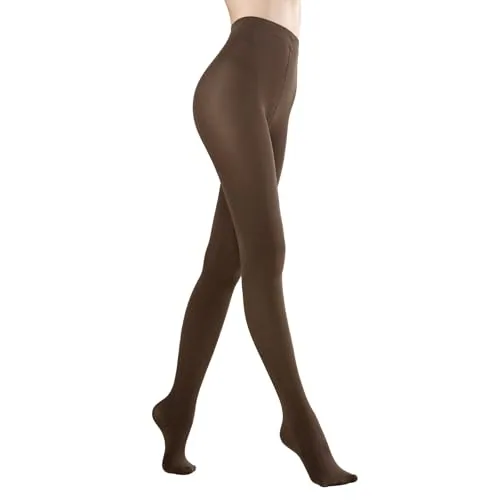
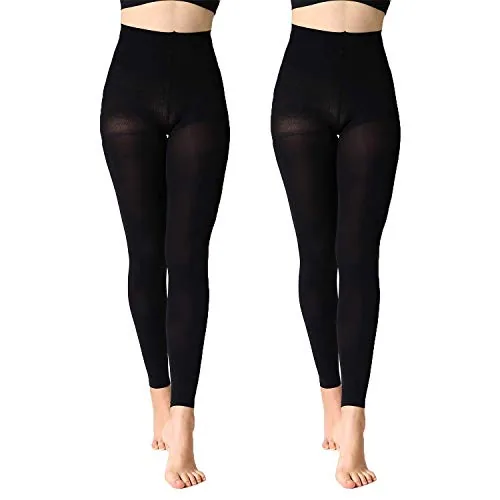
MANZI opaque tights to look at first
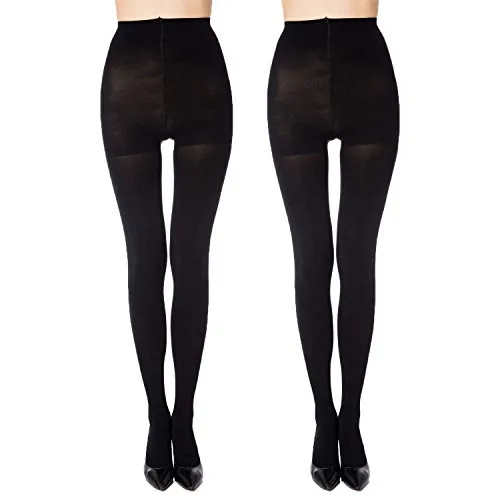
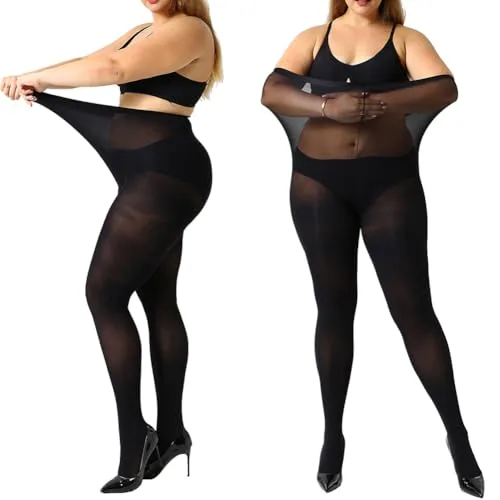

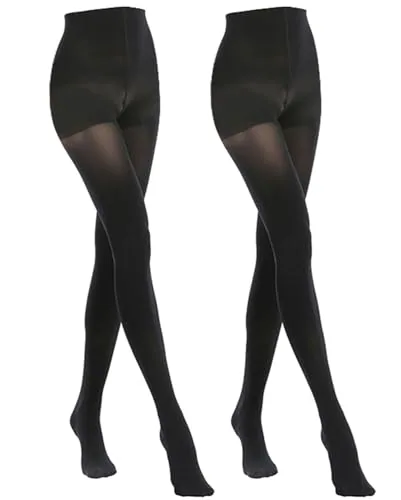
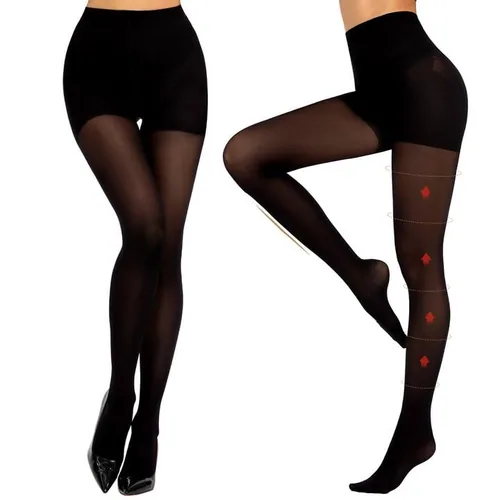
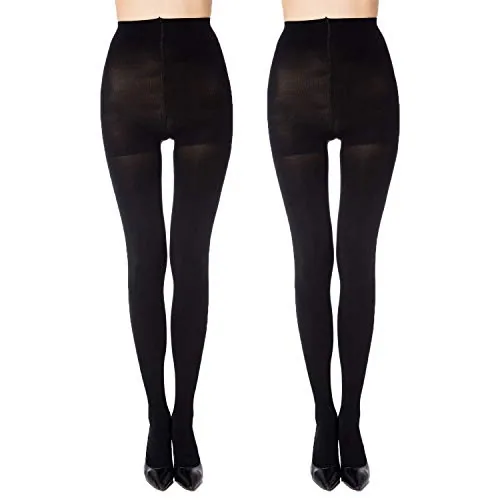
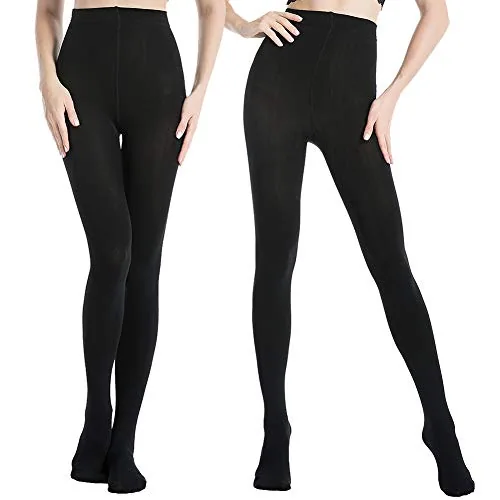
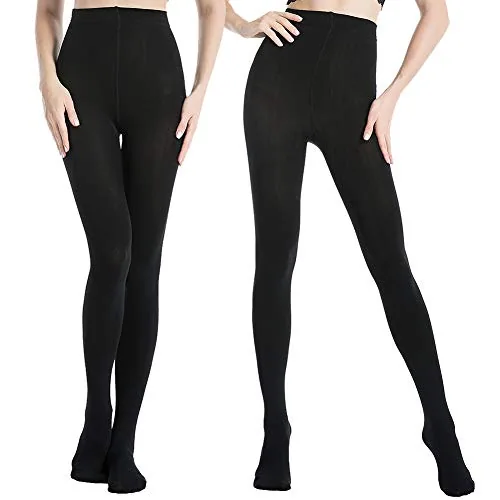
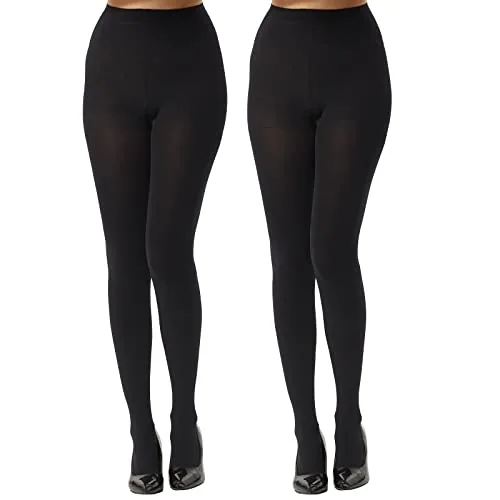
70D Control-Top Opaque Tights, 2 Pairs, Black
4.5 out of 5 from 2,476 ratings
$12.99

What the care label must say
The small tag inside the waistband, or the line on the back of the pack, is not the maker's advertising. In the United States it is required by a federal rule under the Federal Trade Commission, and the rule begins by saying what a care label is.
Care label means a permanent label or tag, containing regular care information and instructions, that is attached or affixed in such a manner that it will not become separated from the product and will remain legible during the useful life of the product.
16 CFR § 423.1(a), eCFR, read 5 September 2026
The rule then sets what the label has to contain. The heart of it is one sentence.
Care labels must state what regular care is needed for the ordinary use of the product.
16 CFR § 423.6(b), eCFR, read 5 September 2026
For hosiery that means a washing instruction, and the rule is specific about the two questions the label has to answer.
The label must state whether the product should be washed by hand or machine.
16 CFR § 423.6(b)(1)(i), eCFR, read 5 September 2026
The label must state whether the product should be dried by machine or by some other method.
16 CFR § 423.6(b)(1)(ii), eCFR, read 5 September 2026
The same paragraph says that if hot water up to 145 degrees Fahrenheit will not harm the product, the label need not mention a temperature at all, and that a label reading simply Machine wash means hot, warm or cold water can all be used. Read the other way, a label that says cold is telling you the yarn will not take heat. On a spandex yarn that is nearly always the case.
So the pack answers two questions before you have opened it: hand or machine, and machine dry or not. Everything else in this guide follows from those two answers.
What MANZI packs say
We read the care line on every pack in the range and counted. Of the 691 pages on this site today, 124 say hand wash, 45 say machine wash and 30 say both are acceptable. Another 552 print no care instruction in the pack text at all, which usually means the instruction sits on the pack and is not repeated online. Where the pack text carries no care line, the page carries none. We do not guess.
| Bench | Pages | Say hand wash | Say machine wash | Sold in packs |
|---|---|---|---|---|
| Sheer Pantyhose | 175 | 18 | 0 | 62% |
| Opaque Tights | 147 | 59 | 36 | 55% |
| Ballet & Dance Tights | 86 | 0 | 0 | 71% |
| Fleece-Lined & Thermal Tights | 20 | 4 | 3 | 55% |
| Thigh Highs & Stay-Ups | 61 | 4 | 0 | 30% |
| Knee Highs & Socks | 62 | 17 | 6 | 87% |
| Fishnet & Patterned Tights | 58 | 8 | 0 | 22% |
| Girls' Tights | 82 | 14 | 0 | 72% |
The split follows the yarn. The sheer bench, the thigh highs and the dance bench lean to hand wash because a 15 to 40 denier knit catches on everything else in the drum. The opaque and fleece-lined benches lean to machine wash on cold, because a microfiber at 70 denier and a fleece lining at 400 are closer to a sweater than to a stocking. Girls' tights are the machine-wash bench by necessity.
Washing sheers by hand
A sheer pair has two enemies in a wash: heat, which breaks the spandex, and friction, which opens the loops. Hand washing removes the second and lets you control the first. The whole method is five minutes.
- Fill a basin with cool water, cool enough to keep a hand in, and add a small amount of a mild liquid detergent. Powder does not dissolve fully in cool water and leaves grit in the knit.
- Turn the pair inside out so the knit that touched the skin faces the water, and push it under. Squeeze, do not rub. Rubbing a sheer against itself is the same friction the machine would give it.
- Leave it for five to ten minutes. The detergent does the work. You do not.
- Rinse in cool water until the water runs clear, then press the pair between your palms. Do not wring. A twisted sheer stretches the leg unevenly and the pair comes out longer on one side.
- Roll it in a towel and press, then hang or lay flat away from a radiator.
Two things people get wrong. The first is washing after every wear: a sheer worn for an evening under a dress does not need it, and each wash is a small loss. The second is the ring. Take it off before the wash, not after. A stone catches a wet sheer as easily as a dry one.
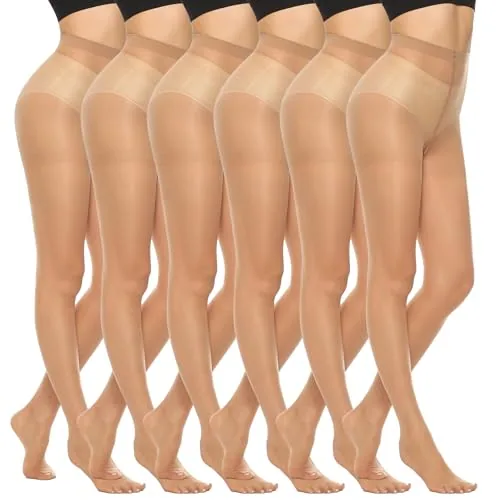
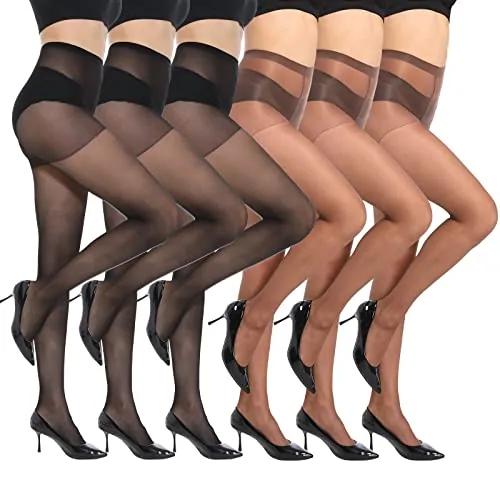
20D Control-Top Pantyhose, 6 Pairs, Black, Coffee
4.1 out of 5 from 2,825 ratings
$15.99
See the spec
Washing opaques and fleece in a machine
A 70 denier microfiber and a 400 denier fleece-lined pair will take a machine on a cold, gentle cycle, and most of their packs say so. The rules that keep them alive are the ones that keep any knit alive.
- A mesh wash bag, one pair to a bag. The bag stops the leg wrapping around a bra hook or a zip, and it stops two dark pairs from tangling into one long twist.
- Cold water. A cold wash is not a compromise for a spandex yarn. It is the instruction. Warm water softens the elastic core and the waistband loses its grip first.
- A gentle or delicates cycle, which spins slower. The spin is where an opaque gets pulled out of shape.
- No fabric softener. Softener coats the yarn and a coated microfiber holds less air, which for a fleece-lined pair means less warmth. It also weakens spandex over time.
- Inside out, always, so the pilling from the drum happens on the side nobody sees.
What a machine cannot do is wash a sheer. Even in a bag on a gentle cycle, a 15 denier pair meets the drum, and the drum wins. The bench decides the method, and the table above says which benches are which.
Drying, and why heat is the enemy
The rule requires the label to say whether the pair may be machine dried, and across the MANZI range the answer on the packs is no. The reason is the spandex. A spandex core tolerates a cold wash but not a hot drum: the elastic loses its recovery, the waistband stops gripping and the knees bag after a morning. Fleece-lined pairs suffer a second way, because heat flattens the lining and a flattened fleece holds less air.
The right way is slow. Press the pair in a towel, lay it flat or hang it from the waistband, not from the toes, and keep it away from a radiator and out of the sun. A sheer dries in an hour, an opaque in an afternoon, a fleece-lined pair overnight. Hanging by the toes stretches the foot. Hanging by the waist lets the weight of the water pull the leg straight, which is the shape you want.
One more thing about heat: ironing. Nothing in the range needs it, and a pair that comes out of the drawer creased will lose the crease on the leg in ten minutes.
The drawer, the ring and the pack of six
Most sheers do not die in the wash. They die in the drawer, on a nail or on a ring, and the habits that save them are cheaper than the wash.
The drawer. Sheers stored loose in a drawer with zips, hairgrips and jewellery are a snag waiting to happen. Roll each pair from the waist and keep the sheers in a soft bag or a box of their own. Fold opaques flat. Rolling them tight creases the microfiber.
The hands. A dry heel, a hangnail or a ring is what opens a 15 denier pair on the way up the leg. Moisturise the heels the night before, not the morning of, because a moisturised leg makes a thigh-high band slide. Rings off until the pair is on.
Putting them on. Gather the leg from waist to toe in both hands, point the foot, ease the foot in and unroll up the leg. Pulling from the waistband is what stretches the knee. The dance bench teaches this to every child in the first term.
The pack. None of the habits above makes a sheer immortal. That is why the sheer bench sells in packs: a run at lunchtime needs a twin in the drawer. Across the site the packs break down like this.
| Pairs in the pack | Pages |
|---|---|
| 1 pair | 286 |
| 2 pairs | 192 |
| 3 pairs | 94 |
| 4 to 5 pairs | 20 |
| 6 pairs | 73 |
| More than 6 | 26 |
The pack of six is the sheer bench's answer to the problem this guide is about. The single pair is the dance bench and the thigh highs, where the pair is chosen for a day and replaced when it goes.
Care by bench
- Sheer pantyhose, 8 to 30 denier: hand wash in cool water, roll in a towel, lay flat. Wash every second or third wear. Store rolled in a bag of their own.
- Opaque tights, 40 to 120 denier: machine on cold and gentle in a mesh bag, inside out, no softener. Hang from the waist.
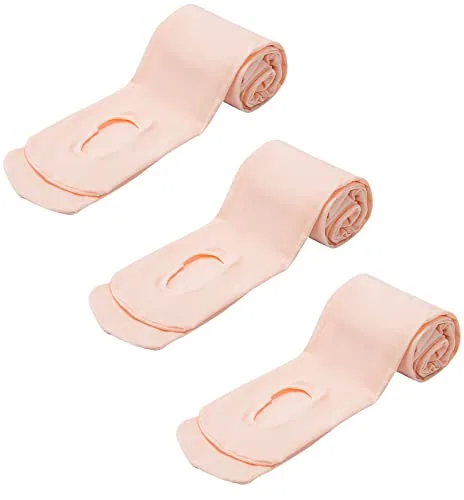
- Dance tights: hand wash after class, because a studio floor leaves rosin and dust in the knit. Dry flat. The convertible opening under the arch dries last.
- Fleece-lined and thermal: machine on cold in a bag, never the dryer, never softener. Dry flat overnight. Three or four wears between washes is fine. The lining does not touch the floor.
- Thigh highs: hand wash, and keep the silicone band away from moisturiser, oil and softener, all of which stop it gripping. Dry flat with the band uncurled.
- Knee highs and socks: machine on cold in a bag. The comfort band takes a machine better than a sheer leg does.
- Patterned and fishnet: hand wash. Every hole is an edge, and a drum finds all of them. Dry flat so the pattern does not stretch on the hanger.
- Girls' tights: machine on cold in a bag, inside out, because school does what school does. Buy the pack of three.
All of this is the ordinary care the label promises, done slowly. The label tells you hand or machine and dry or not. The drawer, the ring and the pack are the rest.
First aid for a snag and a run
A snag is a pulled loop that has not broken. A run is a loop that has. The first can be saved, the second can only be stopped. For a snag, do not pull the loose loop, which will run the pair from that point. Stretch the knit gently on either side of the snag so the pulled yarn eases back into its row, then leave it. It will not look perfect, and it will not run.
For a run, the aim is to stop the ladder, not to repair it. Clear nail polish at both ends of the run, or a dab of hairspray, stiffens the yarn so the next loop holds. It is a same-day measure. The pair is now a pair for under trousers or for the last wear before the bin.
On an opaque, a small run at the toe can be stopped the same way and lives for weeks inside a boot. On a sheer, a run above the knee is the end of the pair as a pair, and that is what the pack is for.
Prevention is cheaper than either. The cause of most snags is on the hand, not the leg: a ring, a nail, a dry cuticle. The cause of most runs is friction in a place the pair rubs all day: the inside of the knee on a walk, the heel in a loose shoe, the seat of a wool skirt. A reinforced toe, which 178 pages on this site name, is the maker's answer to the shoe. A gusset, which 73 name, is the answer to the seat.
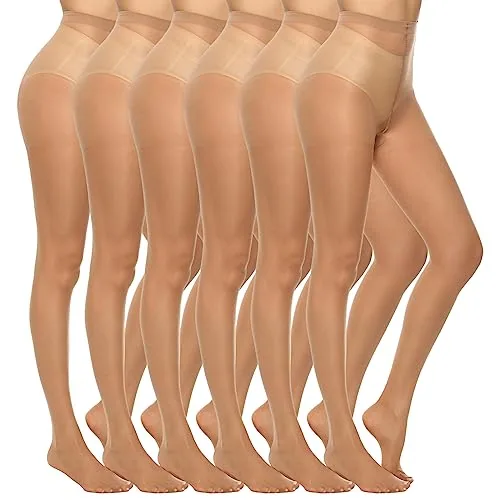
20D Silky Control-Top Pantyhose, 6 Pairs, Natural
4.2 out of 5 from 1,415 ratings
$15.99
See the spec
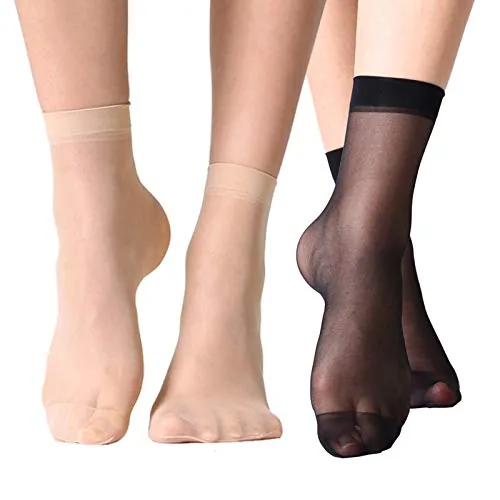
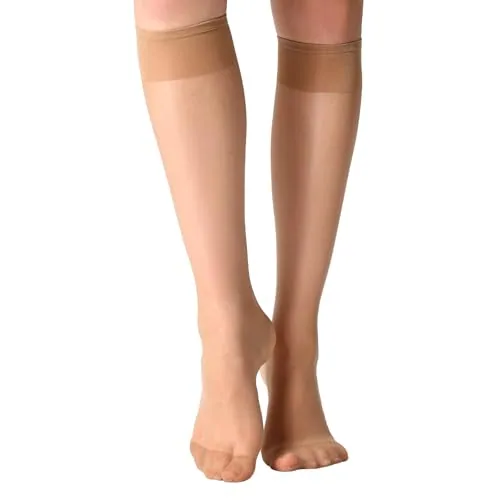
How long a pair should last
Honest numbers, from the yarn rather than from a promise. A 15 denier sheer, worn for an evening and washed by hand, lasts three to six wears before a snag ends it, and a ring can end it on the first. A 20 denier control-top pair on a working week lasts a week or two of daily wear with a hand wash in between. A 30 denier support pair, because the knit is denser, lasts a month of commutes.
A 70 denier microfiber opaque, machine washed cold in a bag, lasts a season, and dies of a bagged knee or a thinning toe rather than a run. A 400 denier fleece-lined pair lasts two winters if the dryer never sees it.
Girls' tights are a different arithmetic: a school pair meets a playground, and the pack of three is a term. Dance tights outlast everything on the sheer scale because a studio floor is kinder than a pavement, and a convertible pair that is hand washed after class lasts a year of weekly lessons.
None of those figures are on a pack, because no maker can promise them. They are what the yarn does when the habits in this guide are kept. When a pair falls short of them, the cause is nearly always one of the four: heat in the wash, heat in the dryer, a drawer with a zip in it, or a ring.
Travel, and a pair in a suitcase
A pair packed loose in a suitcase meets a zip, a shoe heel and a hairbrush before it meets a leg. Roll each pair from the waist and pack the sheers inside a soft bag or inside a shoe, which is where the hosiery trade has packed them for a century. Pack one more pair than the days need. The spare is the whole point of the pack of six.
Washing on the road is the hand method in a hotel basin with a drop of shampoo, which is a mild detergent, followed by the towel roll. A sheer dries overnight on a hanger away from the radiator. An opaque wants a full day, so wash it the morning it comes off, not the night before it goes on. Fleece-lined pairs do not travel well for this reason, and a January trip is better served by two pairs than by one pair and a hotel dryer.
A folded pair creases, and a creased opaque shows the fold on the shin for the first hour. Rolling avoids it. So does hanging the pair from the waistband in the bathroom while the shower runs. The steam relaxes the microfiber and the fold falls out.
The care line, bench by bench, as printed
The table in section two counted care instructions by bench. This one reads them the other way, by the fibre line, because the fibre decides the care and the care line on the pack follows the fibre. Where a page prints a fibre percentage, it prints one of a small set of combinations.
| Fibre line on the pack | Pages | What it means for the wash |
|---|---|---|
| Nylon or polyamide with spandex or elastane | 183 | cold water, no heat: the spandex core loses recovery above about 40°C |
| Nylon or polyamide alone | 7 | cool water. Nylon takes a little more warmth but yellows in sunlight |
| With cotton | 0 | machine on cold in a bag. Cotton knits shrink in a hot wash |
| With polyester | 7 | cold. Polyester holds static, so no softener and no dryer |
| No fibre line in the pack text | 500 | treat as nylon with spandex: cold, by hand if sheer |
The pattern in that table is the whole guide in one line: every fibre combination on the site wants cold water and no heat, and the only real choice is hand or machine, which the bench decides. The federal rule requires the pack to answer that choice, and the pack does. The rest is the drawer, the ring and the pack of six.
What none of this does is make a sheer permanent. It makes a season out of a week, and on the sheer bench that is the difference between buying a pack of six every month and buying one every quarter.
Sources
- 16 CFR Part 423, Care Labeling of Textile Wearing Apparel and Certain Piece Goods, eCFR, U.S. Federal Trade Commission, read 5 September 2026.
Before you go
More opaque tights in the range
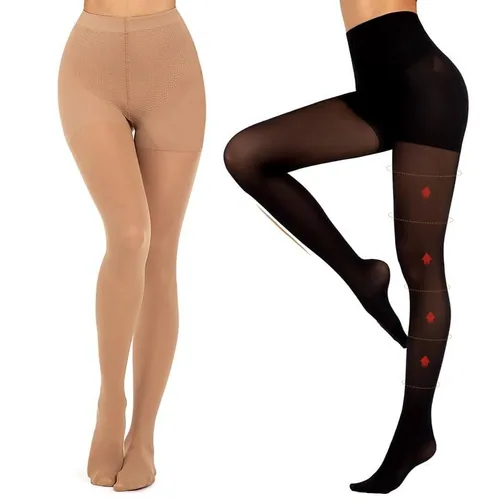
50D Control-Top Support Pantyhose, 2 Pairs, Black + Natural
4.3 out of 5 from 658 ratings
$22.99